
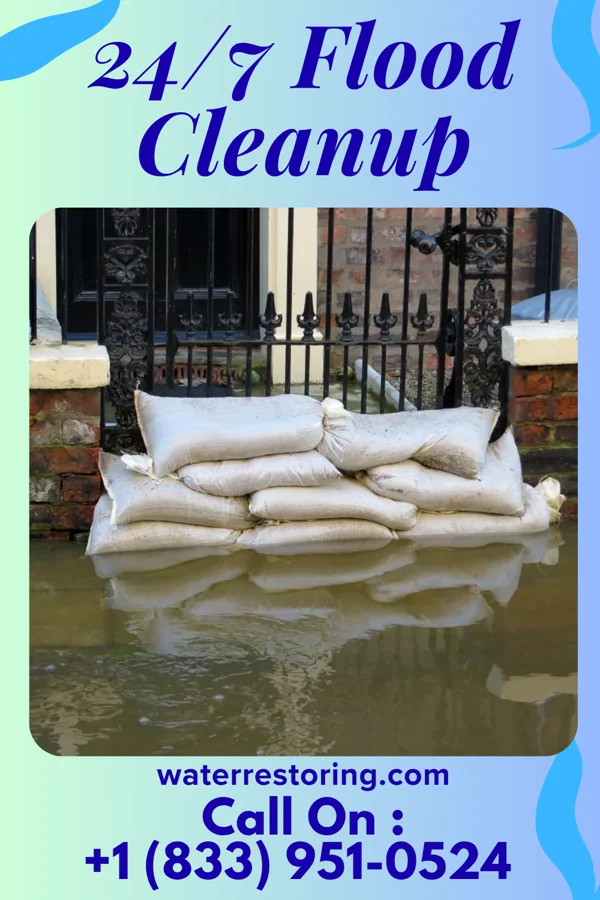
Why Twin Lakes Floods Need 24/7 Response
Most water damage emergencies in Twin Lakes start with atmospheric river rainfall overwhelming storm drainage. A close second is hillside runoff and mudslide-driven flooding. From the second water touches the property, every minute changes what gets saved and what gets ripped out.
Twin Lakes experiences a Mediterranean to oceanic climate, with heavy rainfall from November to March. The region's steep terrain and proximity to the Columbia River increase flood risk during intense storms.
Most 24/7 flood cleanup calls in Twin Lakes come from atmospheric river rainfall overwhelming storm drainage. Running a close second is hillside runoff and mudslide-driven flooding. Local mold risk: Mold can begin to grow within 48 hours after flooding in Twin Lakes homes. Due to the region's cool, damp climate, prompt water extraction and drying are critical to prevent long-term structural damage.